


Uber Eats Driver Receives Payout Over Discriminatory Facial Recognition Checks
As reported by BBC News
Background
A black Uber Eats driver has received a payout after “racially discriminatory” facial-recognition checks prevented him from accessing the app to secure work. When Pa Edrissa Manjang began working for Uber Eats in November 2019, its app did not regularly ask him to send selfies to register for jobs. However, the Microsoft-powered Uber Eats app increased these verification checks over time.
Outcome and Settlement
In 2021, Uber Eats notified Mr. Manjang that his account would be removed due to “continued mismatches” after “careful consideration.” An Uber representative defended the real-time ID check, stating it is designed to ensure app users’ safety and includes human review to avoid making decisions about someone’s livelihood without oversight.
The Equality and Human Rights Commission (EHRC) and the App Drivers and Couriers Union (ADCU) funded Mr. Manjang’s case. The EHRC expressed concern that the AI in the facial-recognition checks deprived him of income, while the ADCU considered the number of selfies requested as racial harassment. Mr. Manjang, who was reinstated and continues to work for Uber Eats in Oxfordshire, settled the case out of court, marking the end of a “long and difficult” period for him.
Implications and Reflections
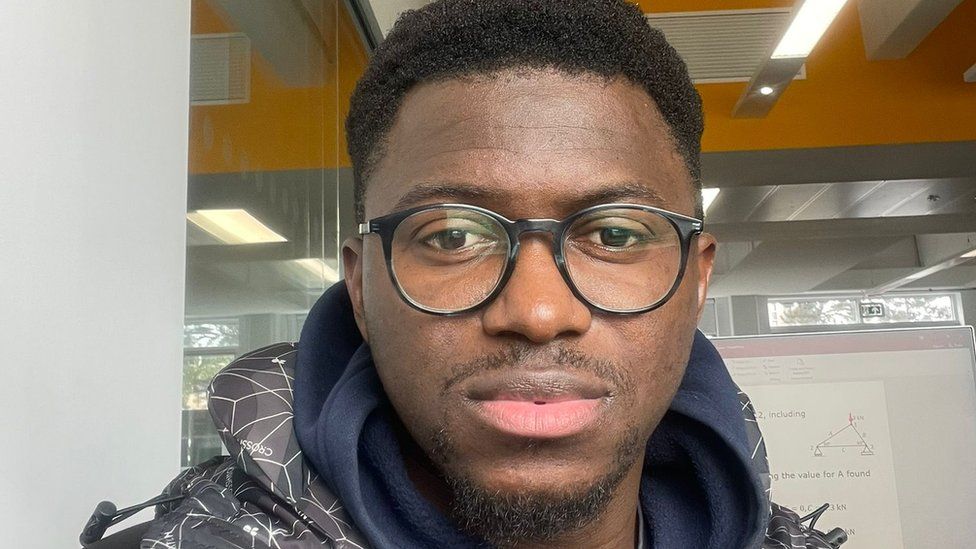
Mr. Manjang’s case sheds light on potential issues with AI, especially for low-paid workers in the gig economy. He hopes the decision will strengthen the rights and protections of workers, particularly ethnic minorities, in relation to AI. Baroness Falkner, chair of the EHRC, criticized the opaque processes affecting Mr. Manjang’s work and emphasized the need for clear and effective routes to challenge such technology.
Microsoft has previously acknowledged that its facial-recognition software works less accurately for people belonging to ethnic minorities. Previous cases involving law enforcement agencies, the Home Office, and universities have also highlighted the impact of ethnicity on the technology’s effectiveness.
