




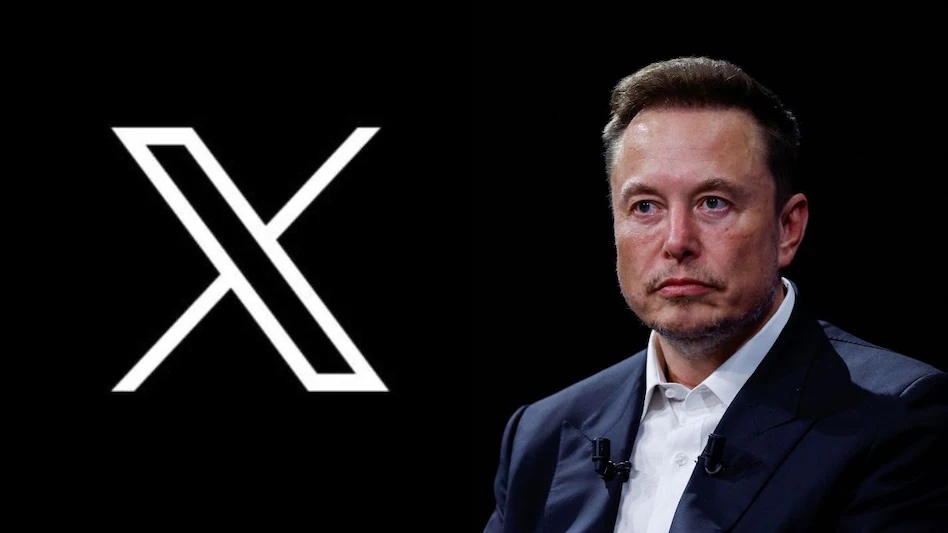
Elon Musk recently revealed that his social media platform, formerly known as Twitter and now called X, is set to introduce two new premium subscription tiers. One tier will offer a more affordable subscription with access to all features but will retain ads, while the other, a higher-priced option, will be ad-free. This announcement follows the platform’s decision to charge new users in New Zealand and the Philippines $1 for access.
However, Musk did not provide further specifics about these premium plans, leaving some details unclear. Users who choose not to subscribe will have limited actions, restricted to “read-only” activities like reading posts, watching videos, and following accounts, as per the company’s website.
Musk has emphasized his belief that charging for the service is a solution to combat bots and fake accounts on the platform. Since taking control of the company in October of the previous year, he has been promoting the X Premium service, where some users already pay $8 per month for a blue check subscription. The “Not A Bot” subscription method aims to reduce spam, platform manipulation, and bot activity.
In an effort to entice advertisers back to X, Musk has offered discounts, as the platform experienced a decline in revenue due to his rapid changes, including significant layoffs and the dissolution of content moderation teams. He acknowledged that activist pressure had played a role in advertisers stepping away from the platform.
This approach of blending ad-supported and subscription plans is not unique, as other major tech companies like Alphabet’s YouTube and Netflix have experimented with similar models. For instance, YouTube offers both free, ad-supported and paid subscription plans, sharing a portion of the subscription revenue with content creators. It remains to be seen if content creators on X will receive compensation under the ad-free subscription models.
Despite Musk’s efforts to boost revenue and address content moderation concerns, advertisers have been hesitant to return to X, fearing that their ads might appear alongside inappropriate content. This issue reflects broader challenges faced by social media platforms and tech companies.

