





Why Are Doctors Wary of Wearable Tech in Healthcare?
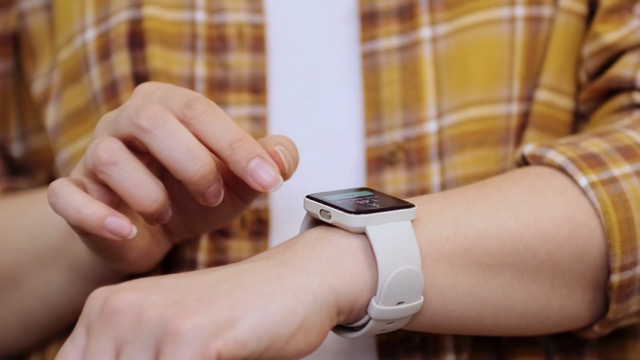
Wearable technology, led by devices like smartwatches, is a booming industry with a sharp focus on health tracking. These gadgets monitor everything from heart rate to sleep patterns and even body temperature. Proposals like Health Secretary Wes Streeting’s plan to equip NHS patients with wearables highlight their potential in revolutionizing healthcare. However, despite their promise, many doctors and tech experts remain cautious about relying on wearable data in medical practice.
The Promise of Wearables
Devices such as the Apple Watch, Fitbit, and Oura smart ring have popularized health tracking. Wearables can even provide early warnings about illnesses by detecting subtle changes in vital signs. For instance, one user reported that her smart ring alerted her to a possible illness before symptoms appeared.
Some wearables, like the Oura ring, even allow patients to download health data to share with their doctors. Advocates like Dr. Jake Deutsch argue this helps assess overall health more precisely.
But not all clinicians agree. Dr. Helen Salisbury, a GP in Oxford, notes growing concerns about over-reliance on wearable data, warning it could encourage hypochondria and unnecessary medical visits.
“For every instance when wearable data is useful, there are likely many where it is not,” says Dr. Salisbury. “I worry we are building a society of over-monitoring.”
Challenges with Wearable Data
Accuracy Issues
Wearable devices are designed for convenience, not clinical-grade precision. Movement can create “noise” in the data, reducing reliability. Dr. Yang Wei, a wearable technology expert, explains:
“Gold-standard measurements come from the wrist or heart. Measuring from a finger sacrifices accuracy.”
Inconsistencies in device sensors, software, and data formats also complicate integrating wearable data into healthcare systems.
False Positives and Alerts
Wearables sometimes generate unnecessary alerts, causing undue alarm. Take Ben Wood’s experience: his Apple Watch sent emergency crash alerts to his wife while he was safely racing cars on a track.
“The boundaries between incident and alert need to be managed carefully,” Wood wrote in his blog.
Limited Utility in Serious Diagnoses
Dr. Salisbury also points out that wearables may not detect critical illnesses like cancer. While they encourage healthier habits, their data alone cannot replace regular check-ups or diagnostic tests.
Barriers to Integration in Healthcare
Infrastructure and Training Gaps
Pritesh Mistry from the King’s Fund highlights the lack of infrastructure and training needed to incorporate wearable data into the NHS effectively.
“Without the technology foundation and workforce confidence, it will be challenging to scale wearables in healthcare,” Mistry says.
Clinician Skepticism
Many doctors prefer to validate wearable data using clinical-grade equipment. They are cautious about relying on devices powered by software that “fills in gaps” rather than directly measuring metrics.
The Verdict on Wearables
Despite the skepticism, wearables offer benefits:
- Encouraging Healthy Habits: Wearables motivate users to stay active and monitor their health.
- Community-Based Care: They align with NHS goals to shift care into community settings.
But experts caution against over-reliance. As Dr. Salisbury says, the best health advice hasn’t changed:
“Walk more, drink less alcohol, and maintain a healthy weight.”
📧 Reach out to our news team by emailing us at news@thehealthhub.co.uk.
📰 For more stories like this, visit our news page! 🌟

